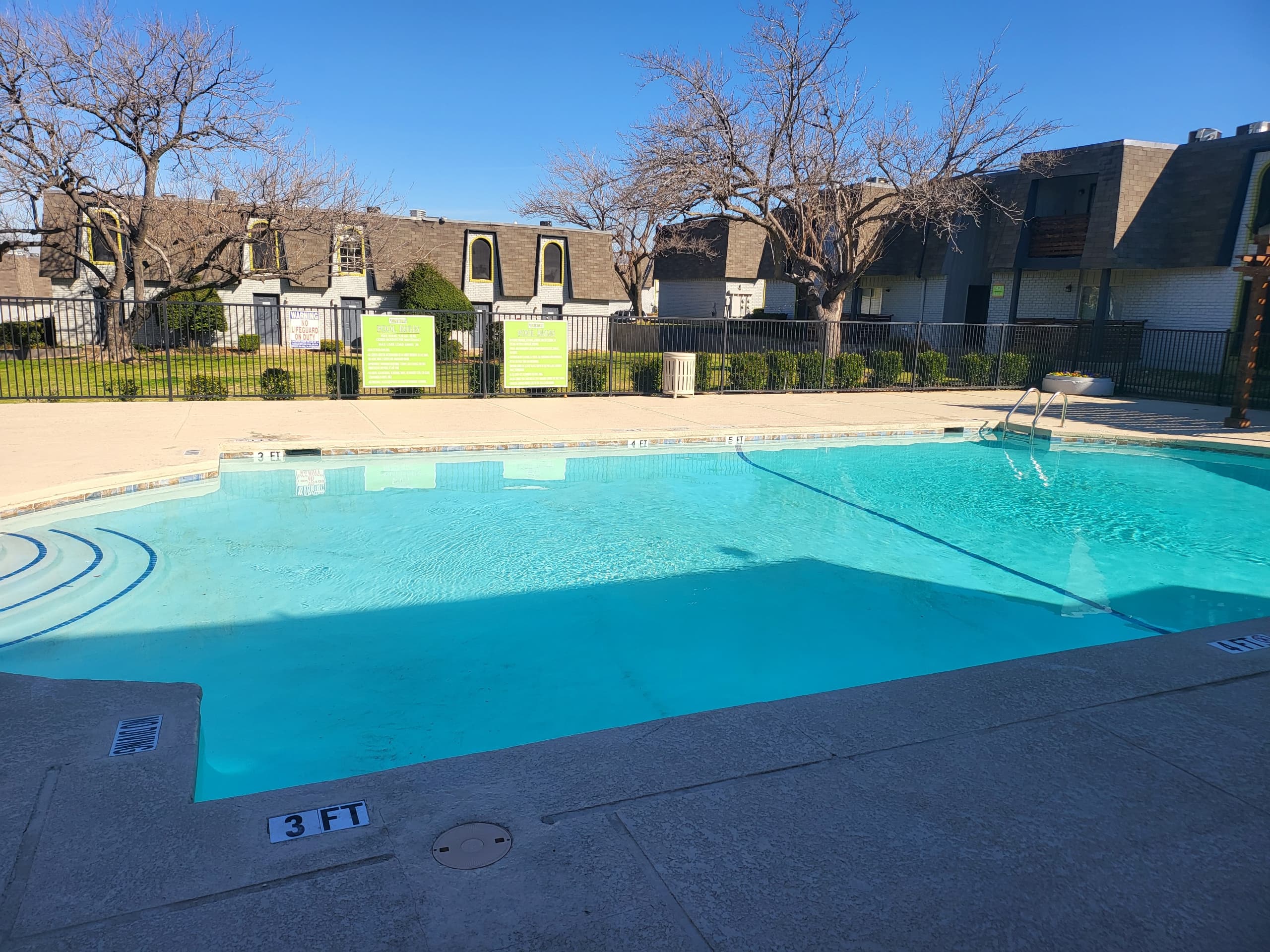
A lot of homeowners mentally check out of pool season around Labor Day. In North Texas, that's usually premature — afternoon highs regularly stay swimmable well into October, and the pool doesn't know the calendar says summer's over.
DFW Weather Doesn't Shut Pools Down in September
Average highs typically stay comfortable enough for swimming through most of October in this part of Texas. Water temperature lags air temperature, so a pool that's been heating up all summer holds onto that warmth for weeks after the hottest days have passed.
What Actually Changes Isn't Whether to Maintain It
Bather load drops as the weather cools, which means chemical demand drops too — but algae doesn't check the calendar either, and a pool that gets ignored because "it's basically fall now" can still turn cloudy or green just as easily as it could in July.
When It Actually Makes Sense to Wind Down
The real signal isn't a date, it's the first real cold snap — stretches of nights consistently in the 50s or below, when swimming stops being appealing regardless of what the pool can technically support. Until then, there's no real reason to treat the pool as closed.
A Simpler Fall Routine
Once usage drops off, maintenance can scale down too — less frequent testing, lighter chemical use — without dropping to zero. A quick weekly check is usually enough to keep a fall pool exactly as low-effort as it should be.
If you'd rather not think about any of it until it's actually time to close up for the year, a maintenance plan keeps the transition from summer to fall handled without you needing to track it yourself.