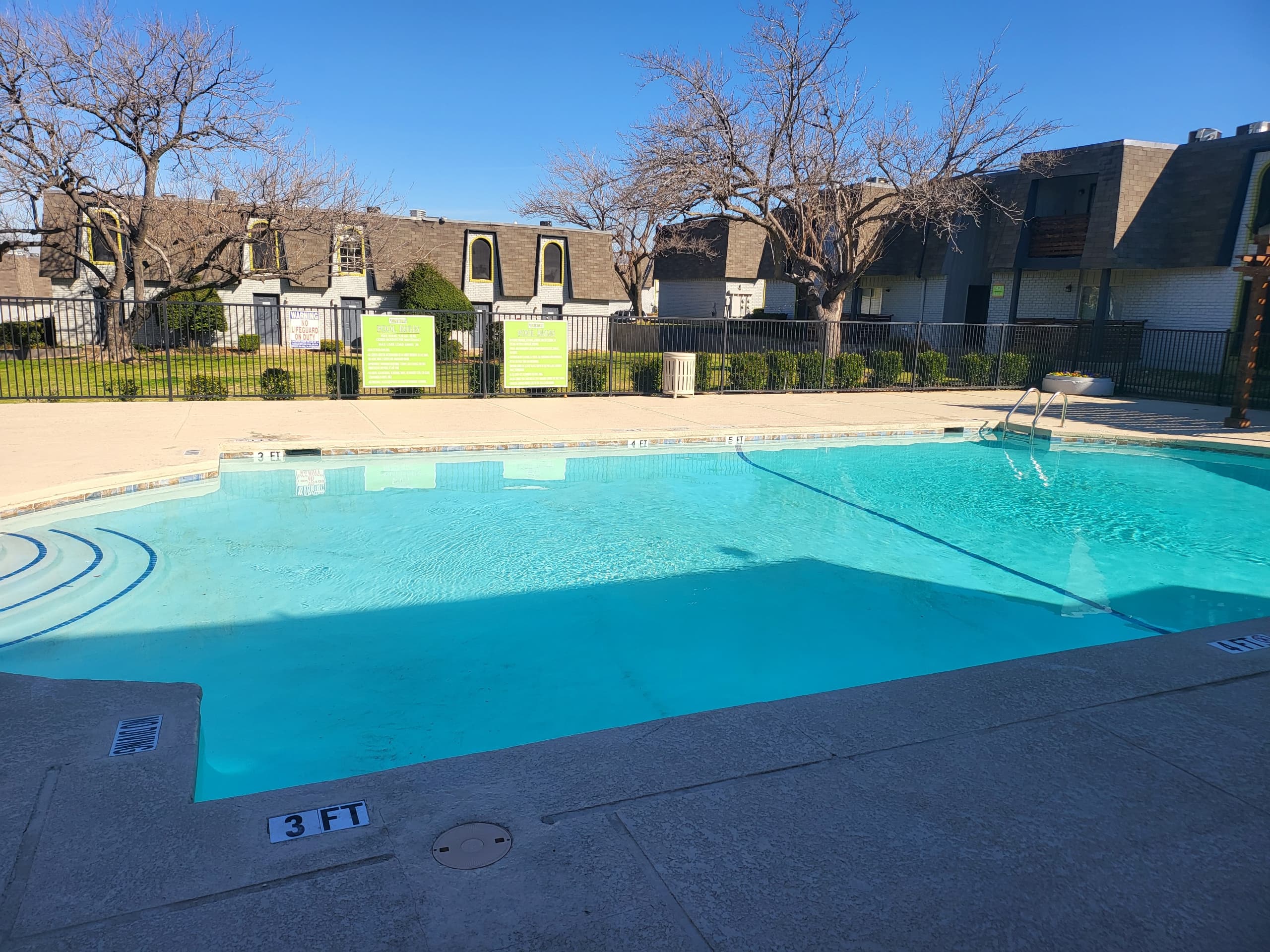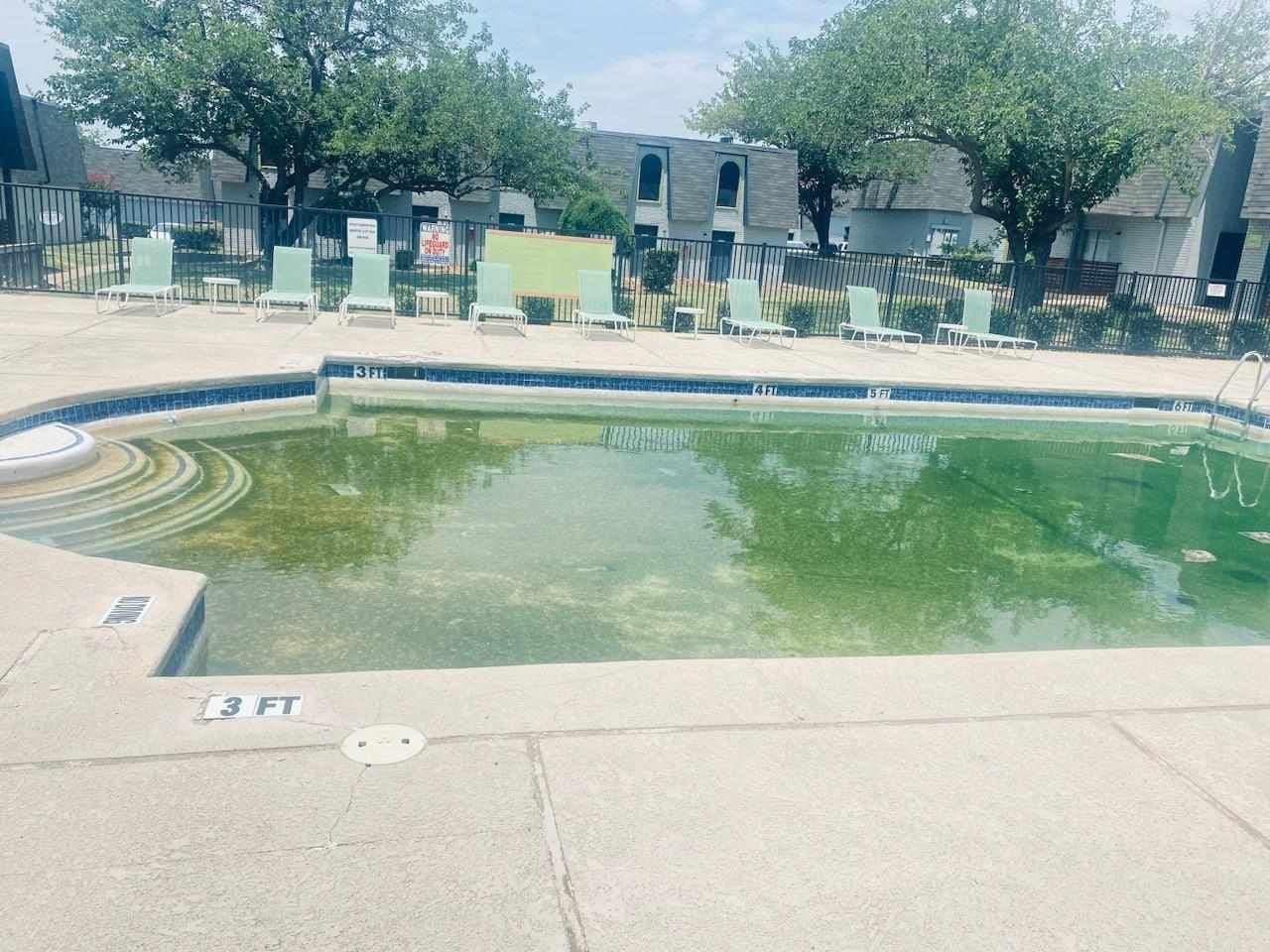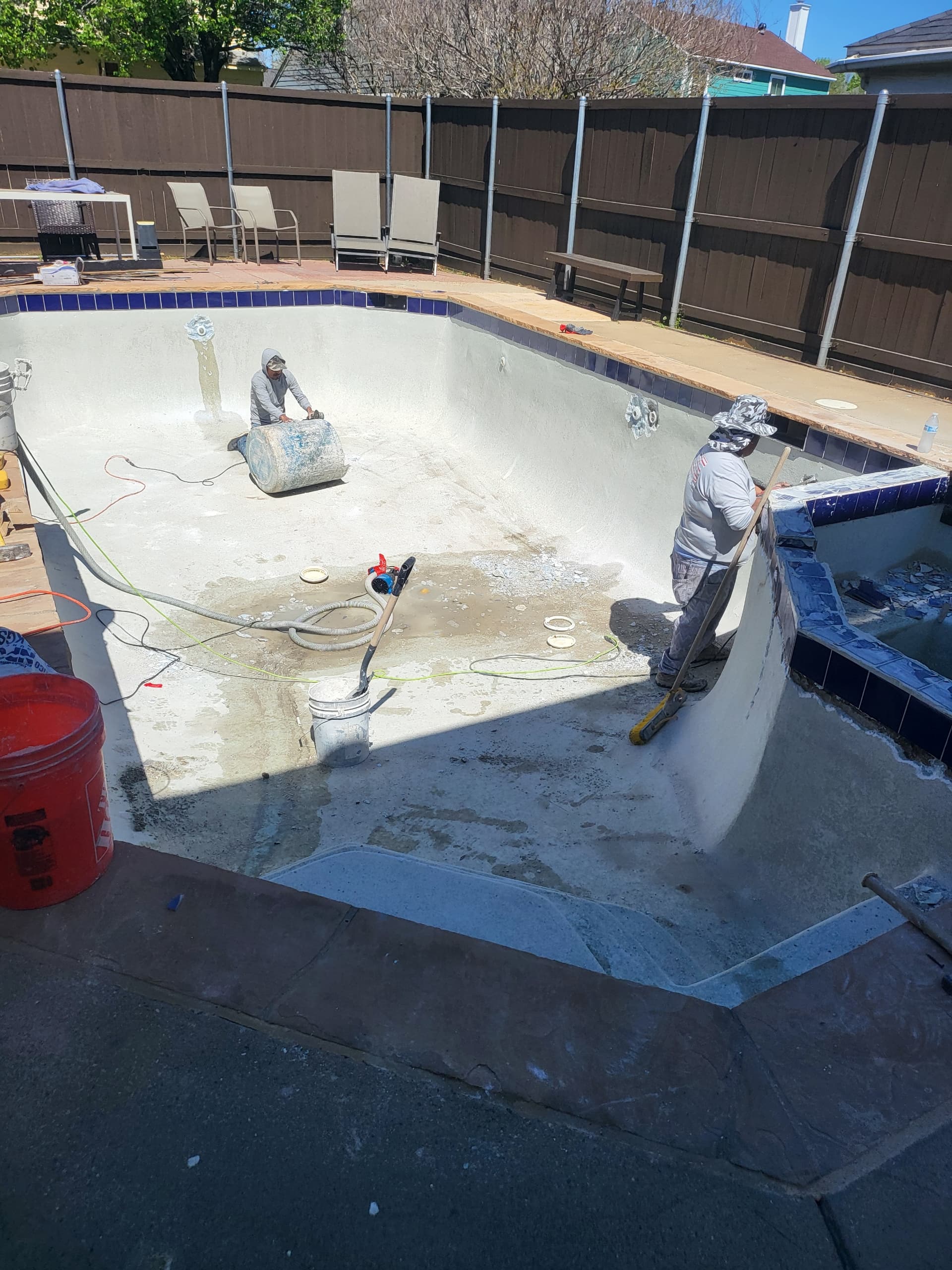
Texas sun and heat age a pool faster than they would almost anywhere else, which means DFW homeowners tend to run into the repair-or-renovate question sooner than owners in milder climates. There's no single answer that fits every pool, but there is a reasonably reliable way to think it through.
Start with the Pool's Age and History
Pools in the 15 to 20+ year range — especially ones still on their original plaster — are approaching the natural end of that surface's life regardless of how well they've been maintained. That doesn't automatically mean renovate, but it changes how much sense it makes to keep patching individual problems as they come up.
Separate Equipment Problems from Structural Ones
A failing pump, heater, filter, or valve is almost always a repair, not a renovation — that's normal wear on a mechanical part with a known lifespan. Cracking plaster, a structural leak in the shell, or tile and coping that's visibly failing is a different category, and usually a sign that patchwork repairs are only buying time.
Run the Numbers Before You Decide
A useful rule of thumb: if the cost of a repair is creeping toward 30-50% of what a full resurface or renovation would cost, or the pool has needed two or three major repairs within a couple of years, renovating usually works out better over the next decade than continuing to repair the same aging surface piece by piece.
Think About What You Want the Pool to Do for You
Repairs restore what's already there. A renovation is really the only point where it makes sense to change what the pool does — a tanning ledge, a different plaster finish, updated energy-efficient equipment, or an added spa are all renovation-only decisions, not something a repair visit can fold in.
If you're not sure which side of that line your pool is on, a free, honest assessment is the fastest way to find out — we'll tell you straight if a repair will genuinely hold up, or if you'd just be delaying the same decision at a higher cost later.